 SmartLockPro
Some smart locks are sold as completely keyless. No cylinder, no key, nothing to lose. It sounds like the point of the whole thing, and on an internal door it can be fine.
On a front door we will not fit one. Every keypad and fingerprint lock we put on a way into your home has a mechanical key override as well. Here is why.
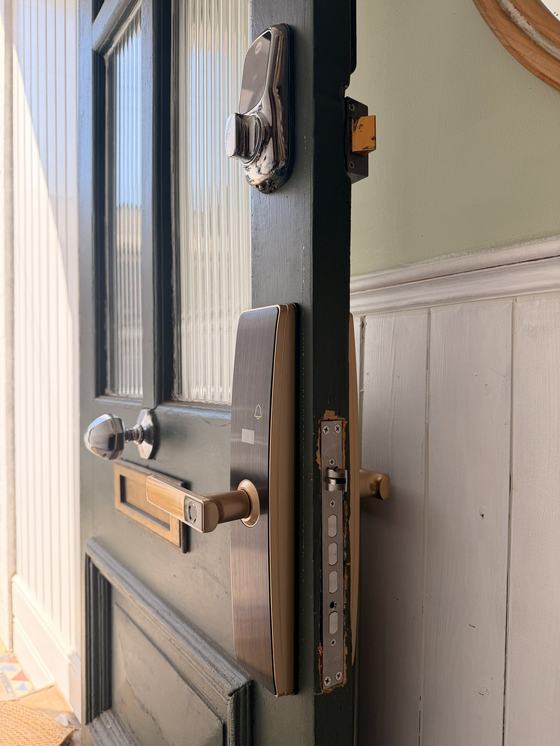
Batteries do run out
A smart lock runs on ordinary batteries, and they last months rather than days. The app warns you when they are getting low, and most people change them in good time.
Most is not everyone. A holiday, a let between tenants, a warning that went to a phone nobody checked: sooner or later a battery dies on somebody. With a key override that is a minor nuisance. Without one, you are outside your own house.
Electronics can fail
A keypad can be damaged. A fingerprint reader can stop recognising a cut or very cold finger. Phones go flat and apps need updating. None of this is common on a decent lock, but the front door is the one place where "not common" is not good enough.
A key is the one way in that does not depend on anything electronic working.
It keeps the door you already have
On most uPVC and composite doors, a smart lock with a key override works with the multipoint mechanism already in the door. The key still turns it, so the door locks the same way it always has.
That matters for security as well as convenience. Fitting a lock that suits the door properly is a bigger part of how secure it is than the electronics are — which is why we look at the door before recommending anything. See smart locks on uPVC and composite doors.
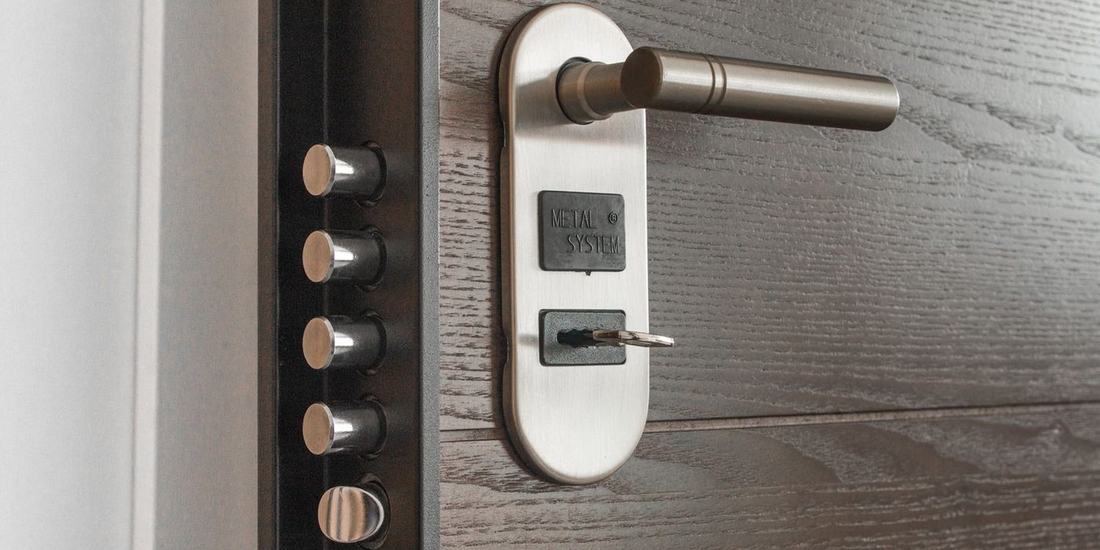
Who keeps the key?
Not the guests. The point of a smart lock is that day to day nobody needs one. Keep a key somewhere sensible — with you, with someone nearby, or in a secure key safe — and treat it as the spare it is.
For landlords and hosts that usually means one key held by you, and codes for everyone else. Codes can be switched off; keys cannot. See keypad door locks and fingerprint door locks for how we set that up.
Questions
Frequently asked
Usually not. The override is part of the lock's design, so it is worth getting right before you buy. Send us the model and we will tell you.
A cheap cylinder would. That is why the cylinder is part of what we check and specify, rather than whatever came in the box.
On internal doors, often — bedrooms in shared houses, offices, store rooms. There is another way into the building if one fails. The front door is different.
